Dalesbred Breed Standard
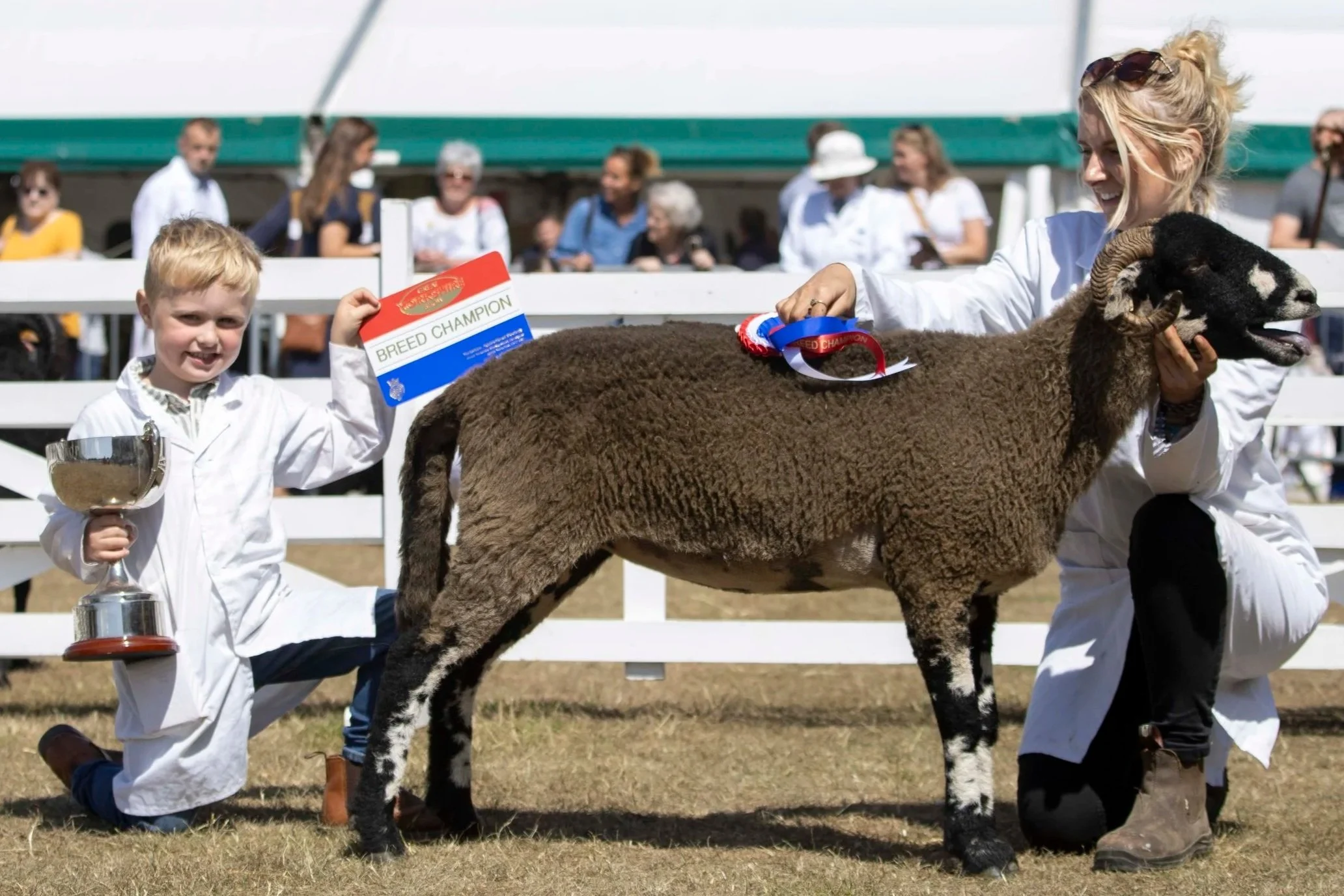
DALESBRED BREED STANDARD
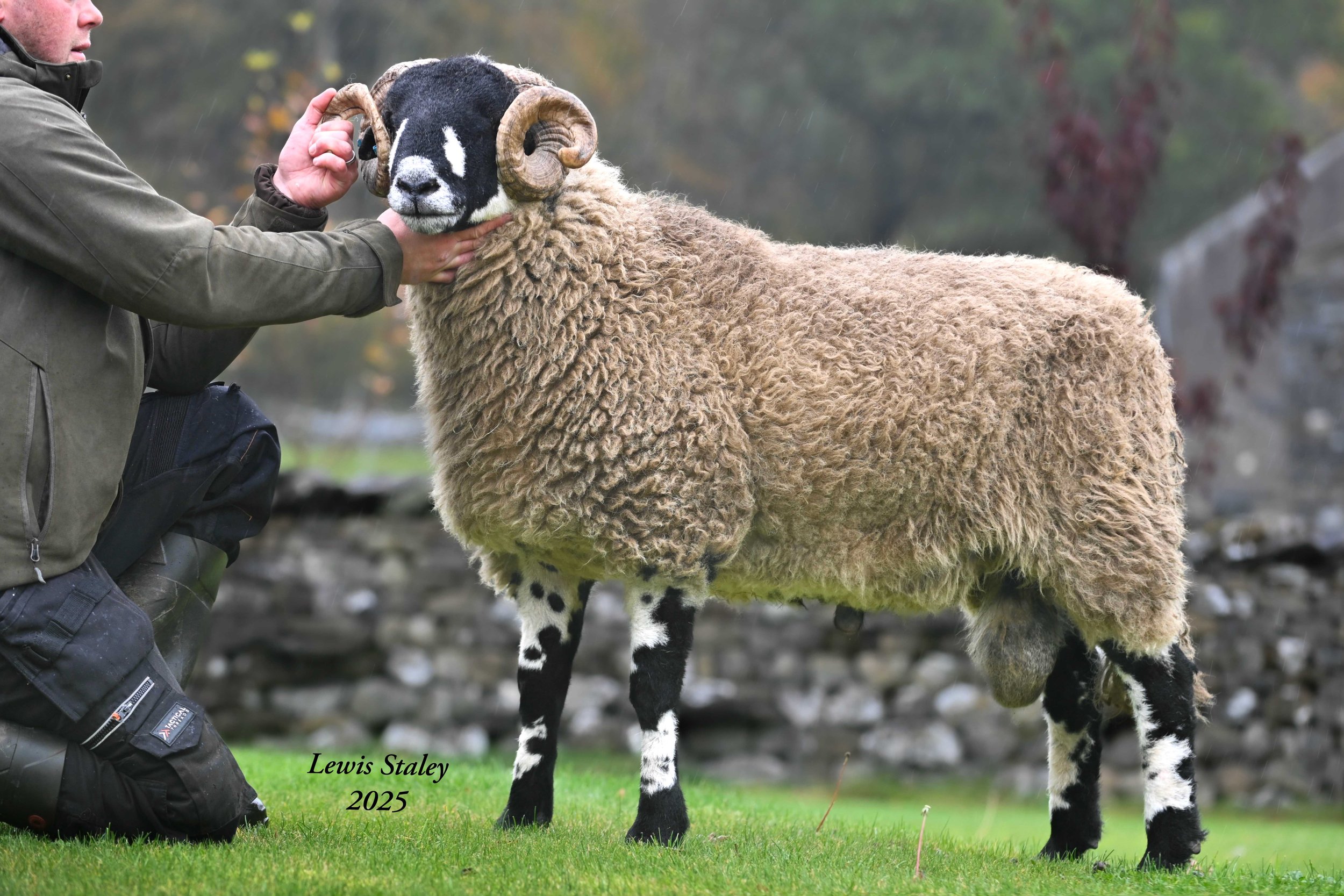
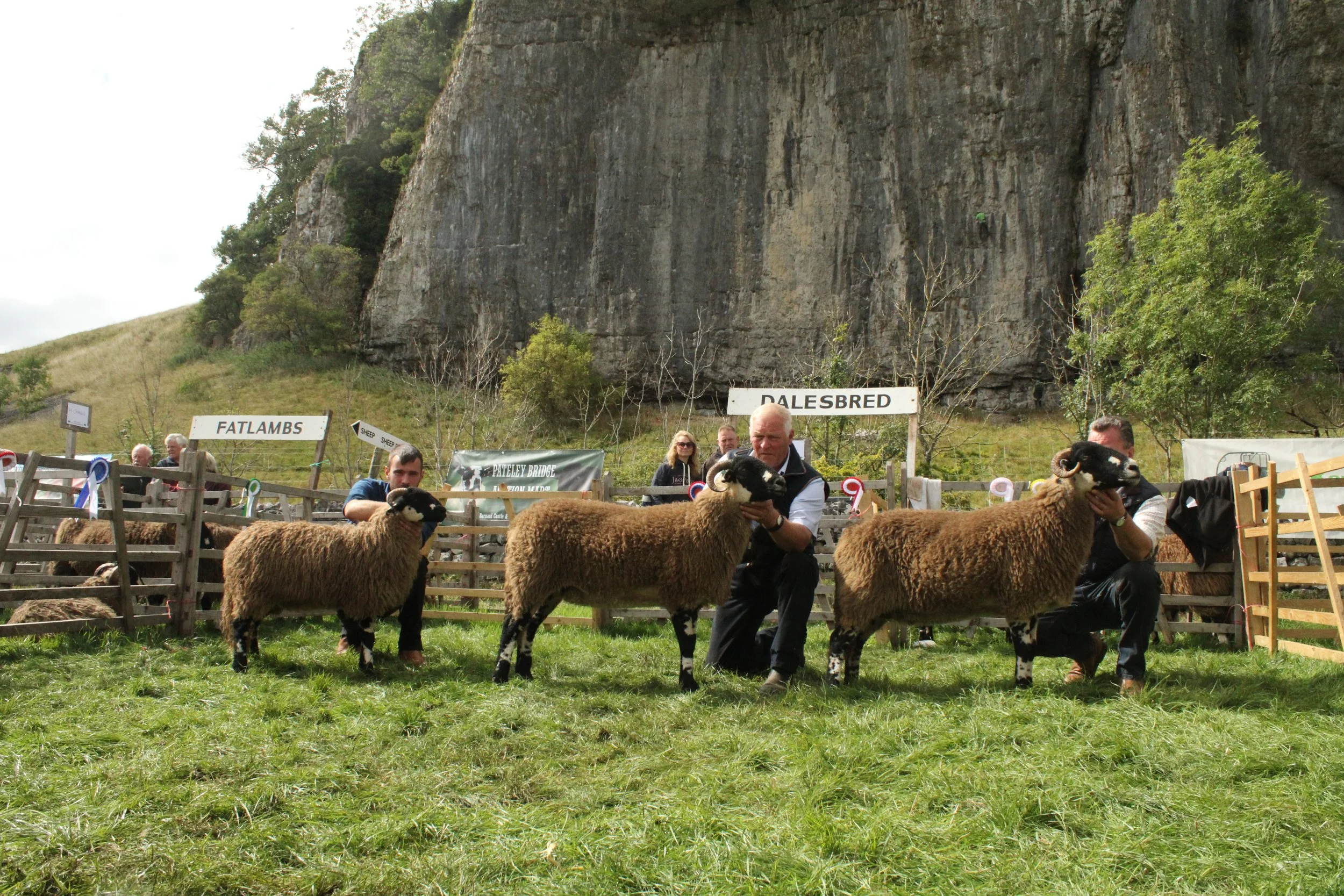
The Dalesbred is a distinctive and hardy hill breed originating from the Yorkshire Dales and Pennine uplands. Known for its strength, durability, and characteristic black-and-white facial markings, the breed combines traditional hill sheep qualities with striking conformation.
-
Head
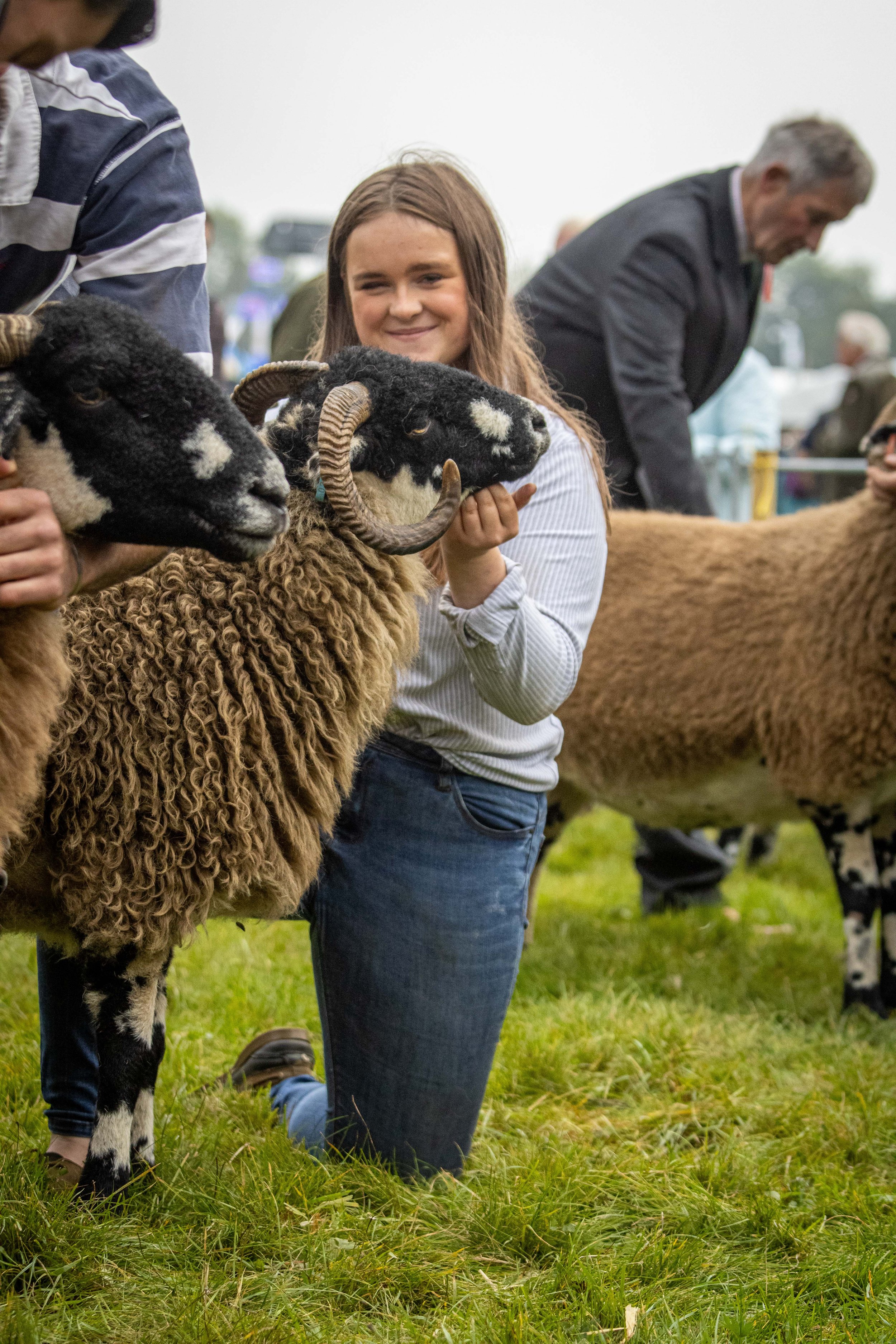
The head should be well developed, displaying a deep lower jaw, large open nostrils, and a strong, balanced structure.
Markings include:A solid black upper face
A small, neat white patch on each side of the nose
A clear white muzzle
Teeth should be broad and well aligned, demonstrating good grazing ability.
-
Horns
Horns should be:
Low set
Curling away from the head
Symmetrical and well shaped
Horns are an important breed characteristic and should not obstruct vision or growth.
-
Ears
Ears are carried neatly and show characteristic black-and-white colouring, consistent with traditional Dalesbred markings.
-
Legs
Legs should be:
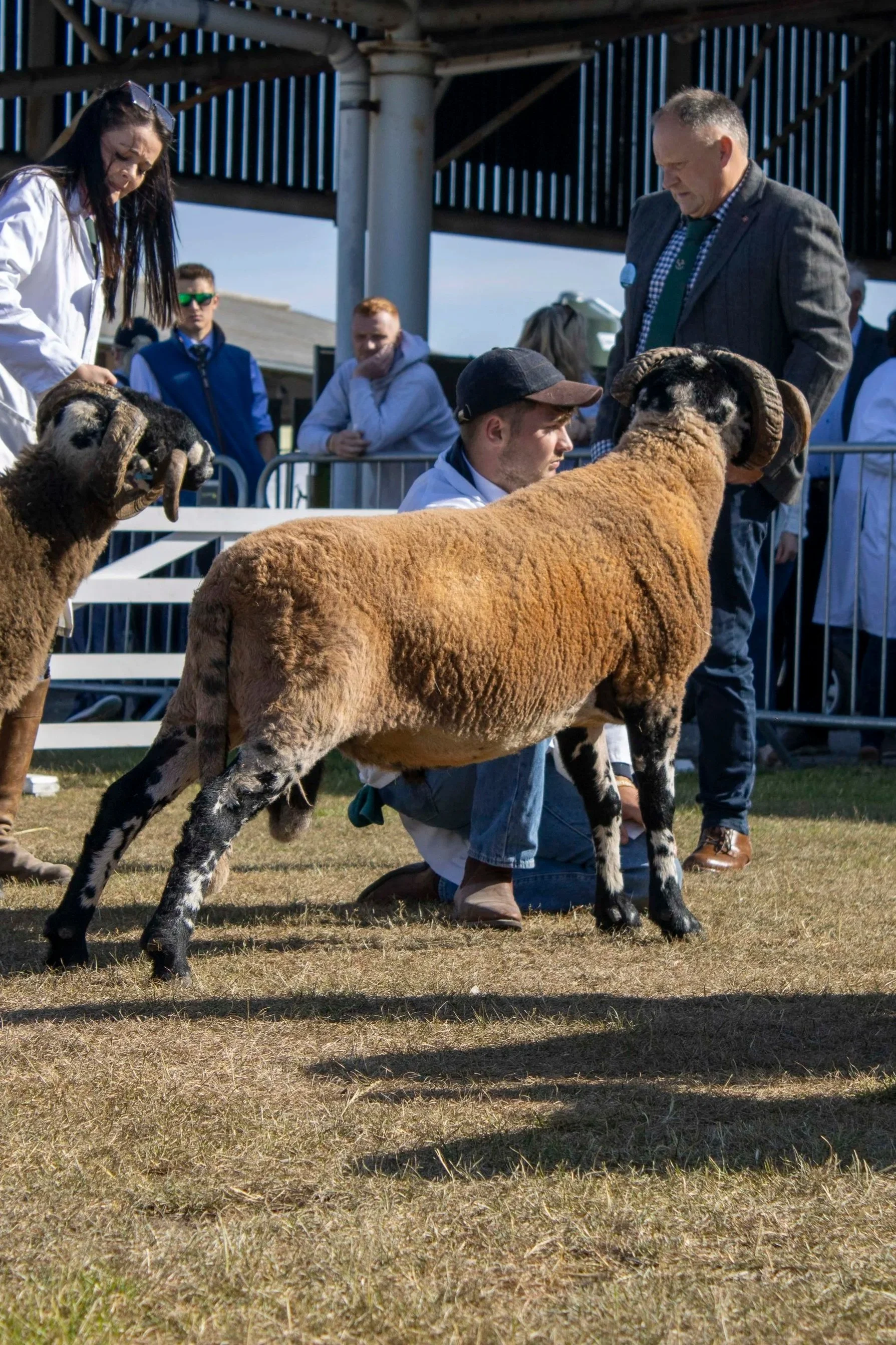
Strong, straight, and well boned
Distinctly marked in black and white
Free-moving, with quality of bone that enables a true, sound walking action
Correct legs are essential for thriving on hill terrain.
-
Carcass
A Dalesbred should carry a long, drawn-out carcass with well-developed, square hindquarters.
The body should appear balanced and strong, reflecting the breed’s ability to produce quality lambs and hardy replacements. -
Wool
Fleece should be:
Deep and of good quality
Free from black fibres
Evenly grown and consistent across the body
A correct fleece contributes to both durability and commercial value.
-
Points Allocation (for Judging)
Head and Horns (including teeth): 20
Legs: 15
Tail: 5
Carcass: 30
Wool: 20
General bearing / overall impression: 10
Total: 100 points
The Dalesbred Sheep Breeders’ Association is committed to preserving the integrity and future of the breed by upholding strict breed standards, promoting responsible breeding, and supporting hill farmers throughout the Dales and Pennines.
The Role of the Dalesbred Society
Through flock books, inspections, shows, and breeder support, the Society works to maintain the quality, health, and characteristics of the Dalesbred, ensuring the breed continues to thrive for generations to come.