The Dalesbred Story:
Where Heritage Meets Purpose
Traditional Origins and Development of the Breed
The origins of the Dalesbred sheep must be understood within the wider context of the hill sheep populations that dominated northern England during the late 18th and 19th centuries. During this period, selective breeding began to intensify across the uplands, with regional flocks gradually shaped to suit local landscapes, climates, and farming needs. It is from this shared ancestral population of horned hill sheep that the Dalesbred, Swaledale, Rough Fell, and Scottish Blackface emerged, developing as distinct breeds at broadly the same time as breeders increasingly focused on defining specific traits. Early visual similarities between these breeds reflect this common ancestry and neighbouring geography, rather than deliberate crossing, with the clear characteristics recognised today forming only after many decades of consistent and selective breeding.
Geographic Origin and Farming Heritage
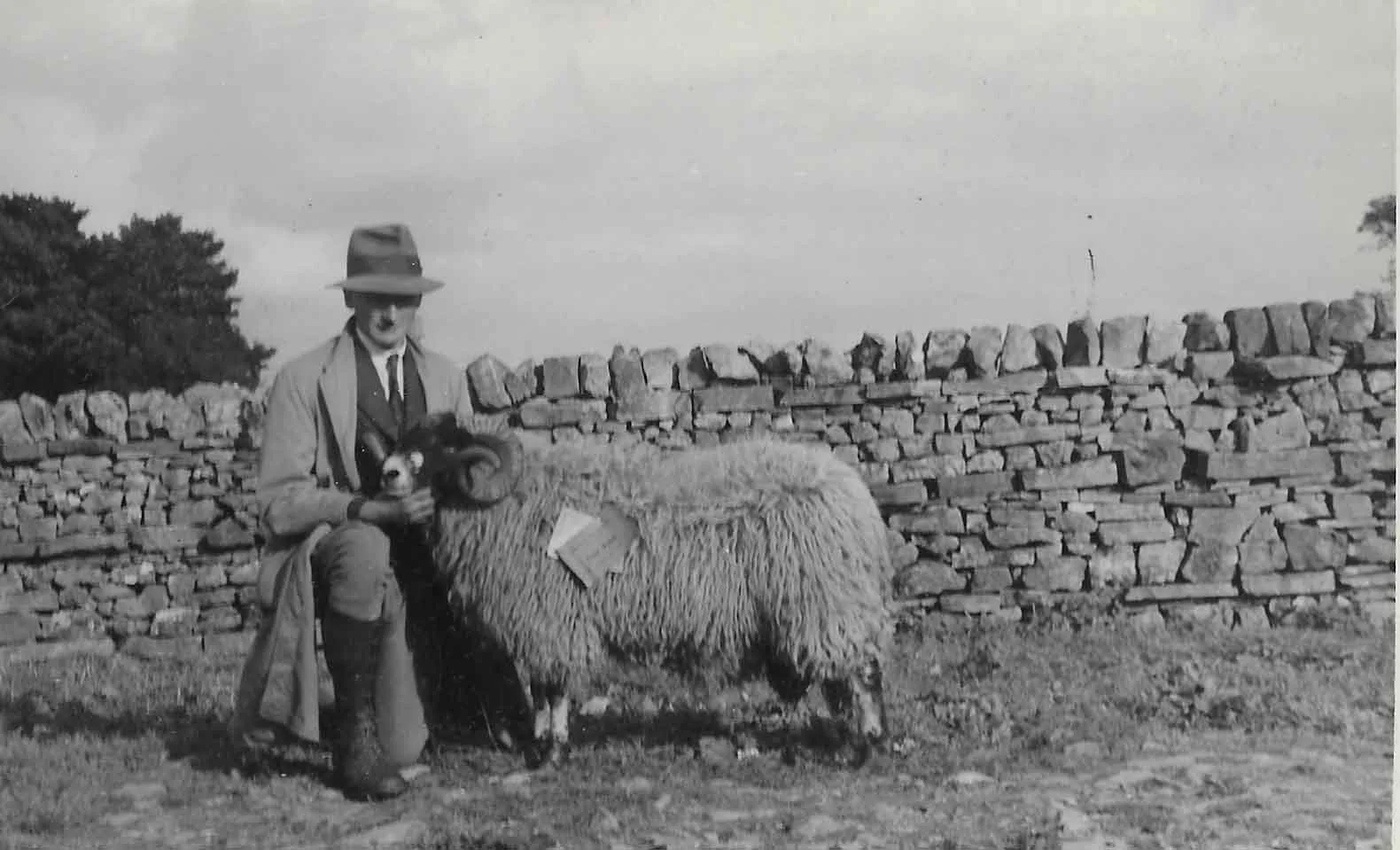
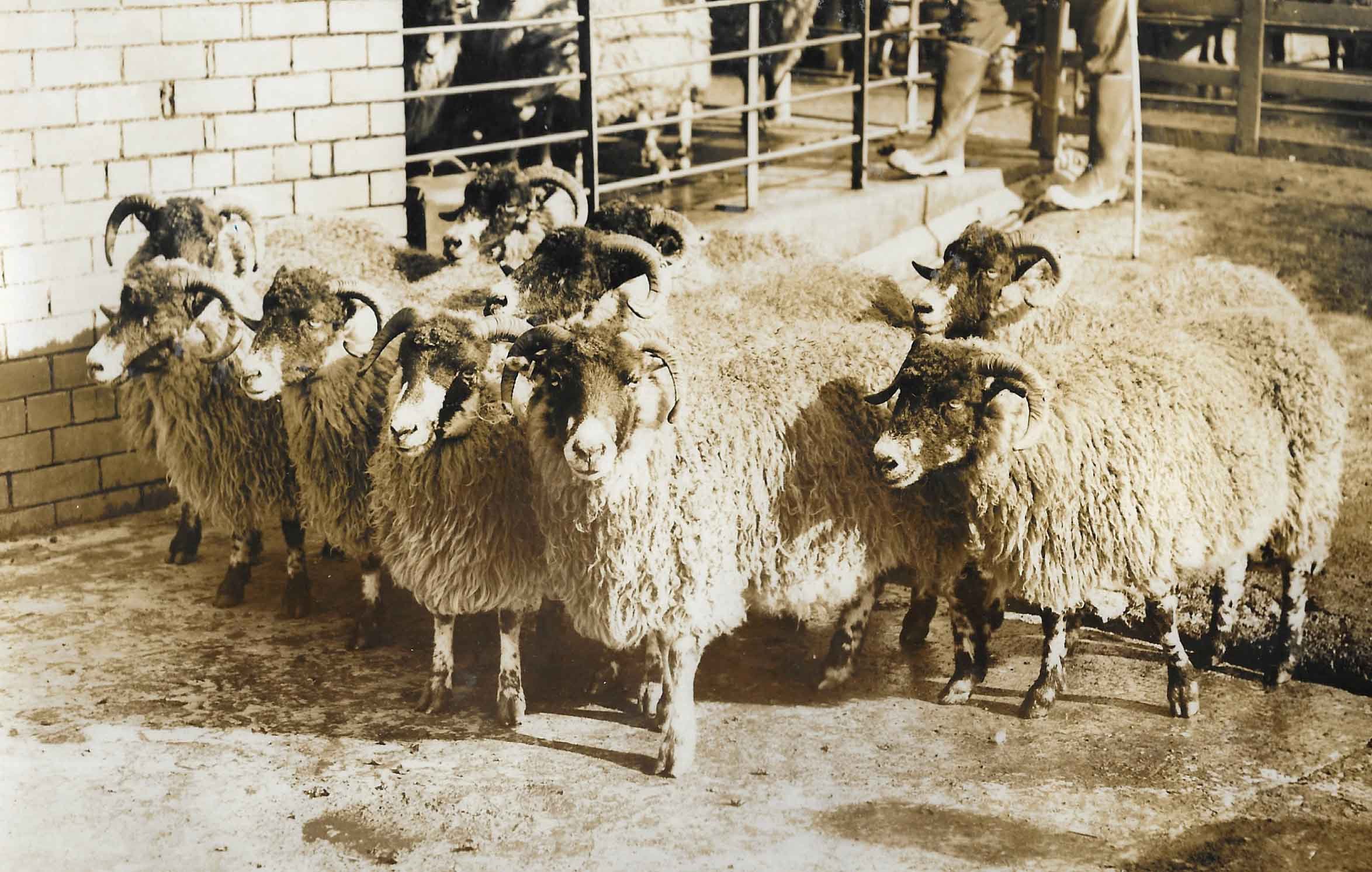
The Dalesbred is truly a product of its landscape. It is indigenous to the highest dales of Yorkshire and adjacent counties – essentially the central Pennine hills straddling the old North and West Ridings of Yorkshire, eastern Cumbria, and north Lancashire. In these remote uplands, with rough grazing and long, wet winters, sheep had to be exceptionally hardy. Generations of hill farmers in places like Upper Wharfedale refined the Dalesbred to survive on the sparse fells and to lamb unaided on the open moor. The breed’s reputation was that of a durable, thrifty hill sheep that could thrive where others might struggle. Dalesbred ewes have long been celebrated for their strong maternal instincts and longevity – qualities essential for managing flocks on isolated hillsides. Oral histories in the Dales speak of flocks that have been “hefted” (locally rooted to a particular fell) for decades, meaning the sheep know their home grazing territory instinctively, an important trait in communal grazing areas.
Historically, the Dalesbred became integral to the region’s farming economy and culture. By the mid-20th century, it was not only valued as a pure breed but also as a foundation for profitable crossbreeds. Dalesbred ewes were commonly mated with Teeswater rams to produce the Masham, a long-wool crossbred lamb highly sought for its size and wool – in fact, Masham sheep (always from a Dalesbred or Swaledale mother and a Teeswater father) were among Britain’s most famous hill crossbreeds. Even today, many Dalesbred flocks serve dual purposes: the best ewes are kept pure to produce replacement breeding stock, while others are put to crossing sires (like Teeswater, Bluefaced Leicester, or even modern terminal sires) to produce Masham lambs, “Mule” lambs, or the so-called Texdale (Texel×Dalesbred) crosses. This strategy has been used by Dales hill farmers for generations: raise hardy Dalesbred females on the fells, then send them to lower farms for crossing and fattening. It maximizes both the hardiness and the market value of the offspring. One Yorkshire farming family, for example, has run hundreds of Dalesbred ewes for decades – keeping a core flock of purebred ewes and putting another portion to Teeswater tups each year to produce high-quality Masham lambs. Such practices illustrate why the Dalesbred earned the nickname “the workhorse of the hills,” reliably producing lamb crops under rough conditions and contributing to famed British lamb crosses.
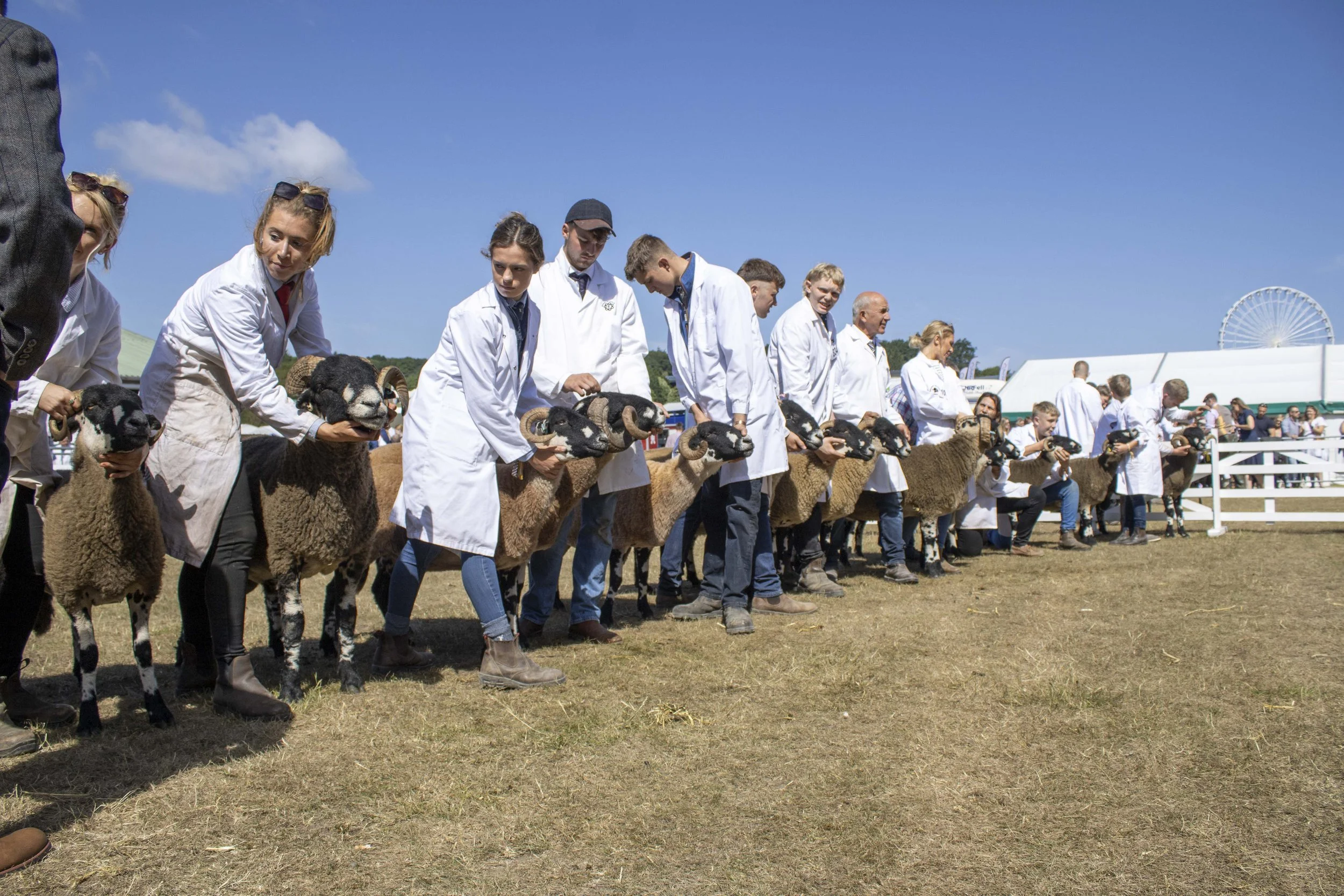
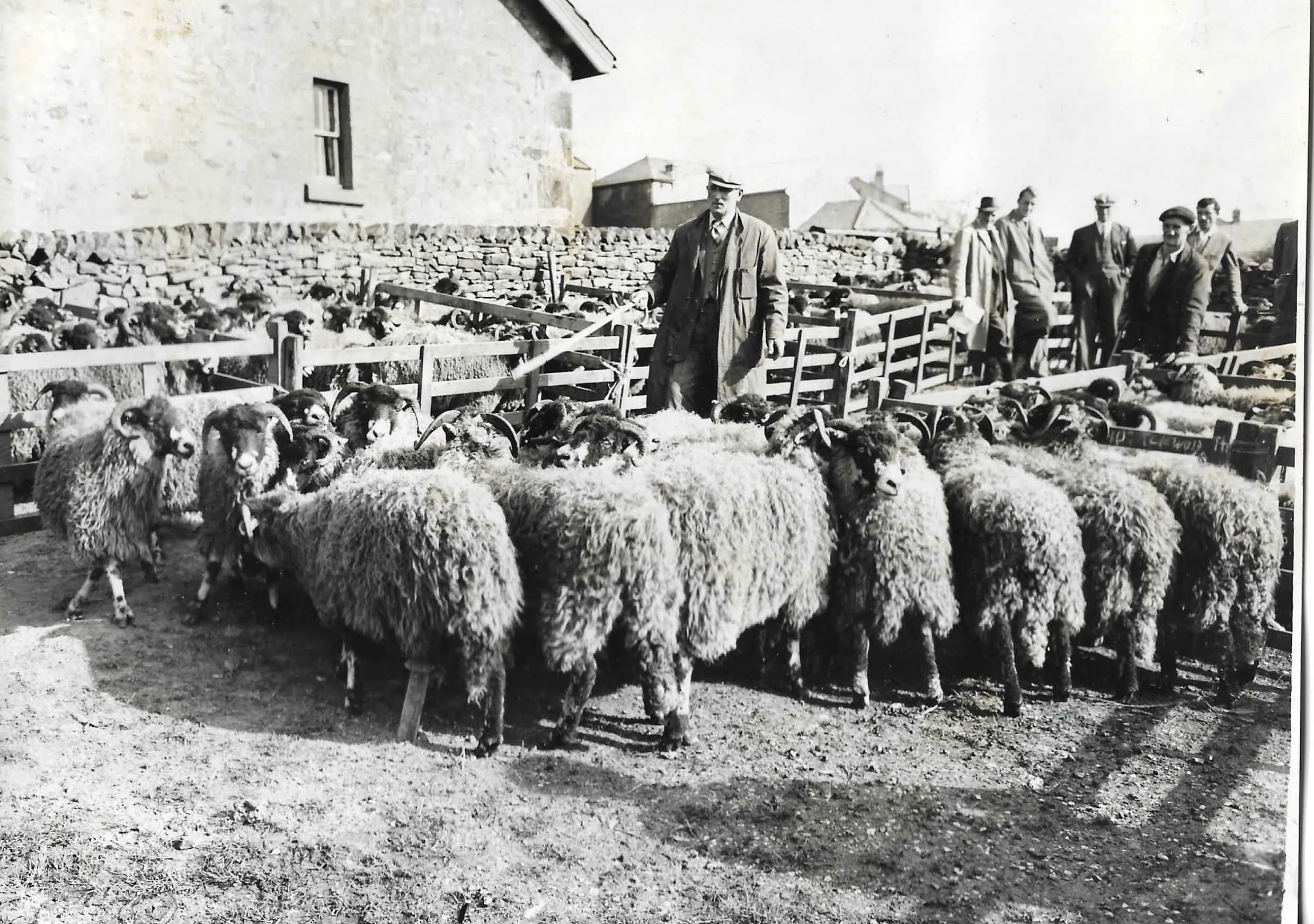
Culturally, the Dalesbred is woven into the heritage of the Yorkshire Dales. It has been a familiar sight grazing around limestone scars and heather moors since at least the late 19th century, helping maintain the landscape. The breed is even credited with supporting the upland ecology – their grazing patterns keep coarse vegetation in check and promote biodiversity in the Dales environment. Local agricultural shows in towns like Hawes and Bentham have long featured Dalesbred classes, and annual Dalesbred ram sales (every autumn) are important events for hill farmers. The breed’s continuity is a point of pride: modern breeders see themselves as stewards of a living piece of history. As the Dalesbred Sheep Breeders’ Association notes, raising these sheep “helps maintain a critical part of the UK’s agricultural history,” preserving a unique genetic and cultural resource for future generations. Indeed, the Dalesbred is regarded as “integral to the farming heritage of the Yorkshire Dales” – a testament to its role in shaping and sustaining upland farming life for over a century.
Swaledale and Dalesbred Sheep Breeders
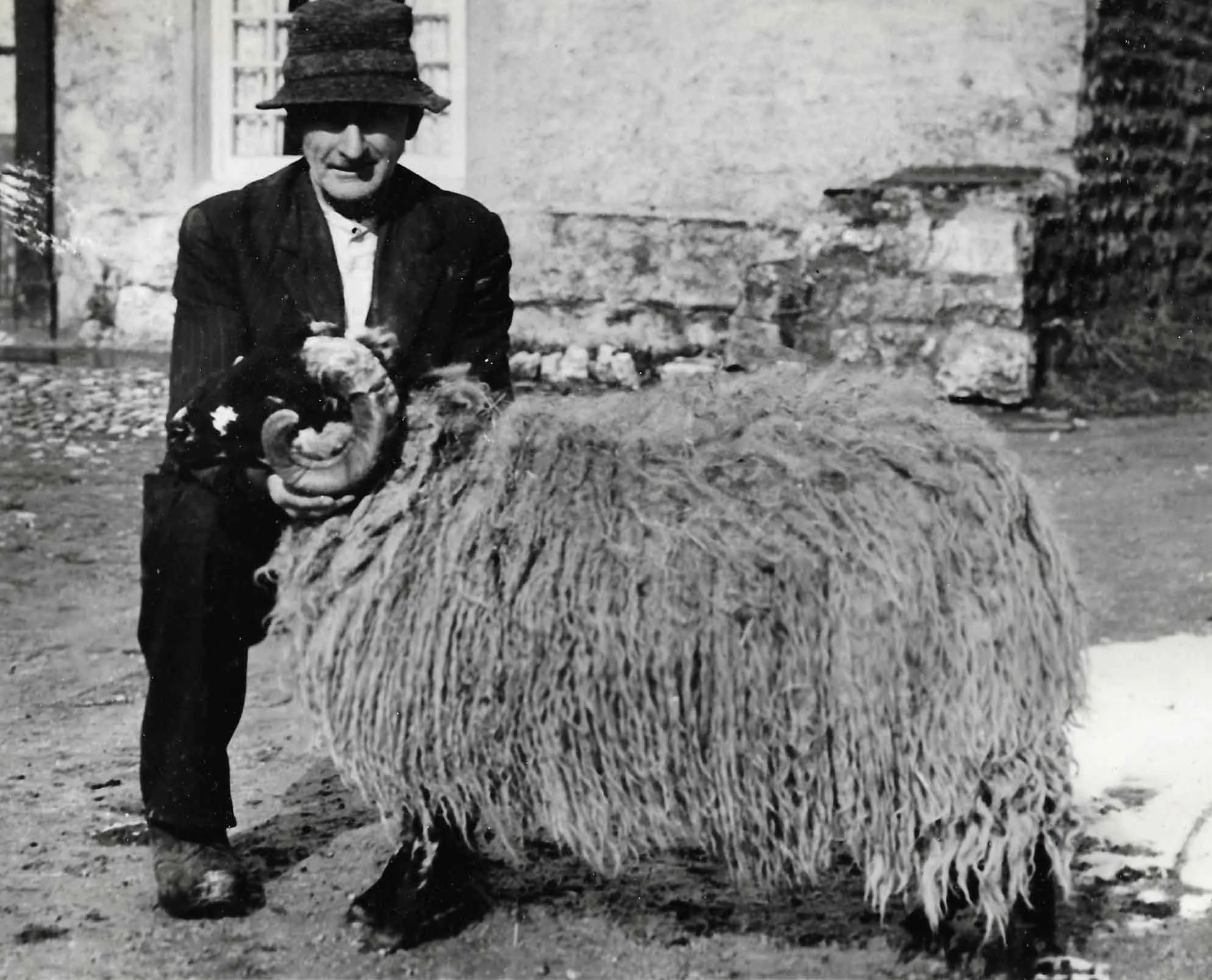
The early 20th century saw formal recognition of the Dalesbred as distinct from its Swaledale cousins. Initially, Dalesbred flocks were registered together with Swaledales under a joint society and flock book (the “Swaledale and Dalesbred Sheep Breeders’ Association” founded in 1920). However, breeders soon sought to differentiate the two. In 1925 an official split occurred: the Dalesbred breeders broke away from the Swaledale flock book to concentrate on their own breed’s development. That year is regarded as the birth of the Dalesbred as a separate breed with its own identity. Even so, it took some time to fully organize the new breed society. Historical records note that the Dalesbred Sheep Breeders’ Association, though founded in 1925, did not hold its first independent annual meeting until after World War II in 1946. (The wartime years likely interrupted breeding programs and gatherings.) From that point on, the Dalesbred Association began keeping its own flock book and promoting breed standards. Early leaders of the society included local farming families – for example, S.J. Verity served as the first post-war chairman, reflecting a family deeply involved in Dalesbred breeding.
Challenges, Preservation, and Legacy
Throughout its history, the Dalesbred has faced challenges common to many regional breeds. Being concentrated in a relatively small geographic area has occasionally put it at risk. A stark example was the 2001 Foot-and-Mouth Disease outbreak in Britain, which hit Cumbria and the Dales hard – authorities feared that localized breeds like the Dalesbred could be wiped out in a single epidemic. In fact, due to the breed’s limited distribution, the 2001 crisis threatened the very existence of Dalesbreds. Fortunately, core breeding flocks survived, but the scare prompted renewed efforts to safeguard the breed’s future. The Dalesbred is currently classified as “at risk” by conservation organizations, not because its absolute numbers are critically low, but because so many of the sheep are clustered in one region (making them vulnerable to localized disasters). In response, the Dalesbred Sheep Breeders’ Association and supporters have been proactive in promoting the breed and encouraging new flocks. There are conservation grazing schemes that employ Dalesbreds to manage natural habitats, which simultaneously help to keep the breed’s numbers up. Additionally, Dalesbred rams are being sold and used further afield (for example, crossbred Dalesbred ewes have been sent to southern England grazing marshes), which helps spread the genetic base.
Today, the Dalesbred stands as a living link between past and present in the Yorkshire Dales. Its story – from eighteenth-century hill flocks, through the 1920s breed formation, to surviving 21st-century challenges – exemplifies the trajectory of Britain’s native livestock breeds. For the new website’s History page, the Dalesbred offers a rich narrative: a breed born of practical farming needs and local geography, shaped over time by both breeders’ choices and natural selection. It is a breed that has not only endured but also adapted, proving its worth in modern agriculture as a resilient mother and a cornerstone of productive crossbreeding programs. Farmers continue to value Dalesbreds for being “resilient, sustainable, [and] essential” to upland farming. And beyond economics, there is a sense of stewardship – in preserving the Dalesbred, breeders feel they are keeping alive a piece of Yorkshire’s rural heritage. In summary, the Dalesbred sheep originated in the Yorkshire Dales through the blending of local hill breeds, formally emerged as its own breed in the 1920s, and has since remained a durable, cherished part of Britain’s sheep-breeding tapestry. By understanding its history, we appreciate not only the breed’s past service to upland farmers, but also its ongoing role in the cultural and agricultural landscape of the Dales.
Science Validates Tradition
When modern geneticists finally turned their instruments toward these ancient bloodlines, they discovered what farmers had always known—the Dalesbred carried treasures written in DNA. University of York researchers found genetic signatures as unique as fingerprints, disease resistance forged by centuries of natural selection, and adaptive traits no laboratory could replicate.
The 2014 study revealed Dalesbreds' remarkable resistance to Maedi Visna virus and other diseases, suggesting that generations of survival in harsh conditions had created not just hardiness, but genuine biological superiority. These sheep held secrets that could prove invaluable for future food security—living proof that the oldest solutions often remain the wisest.